When the Weather Turns Extreme, Windows Become Part of the Protection
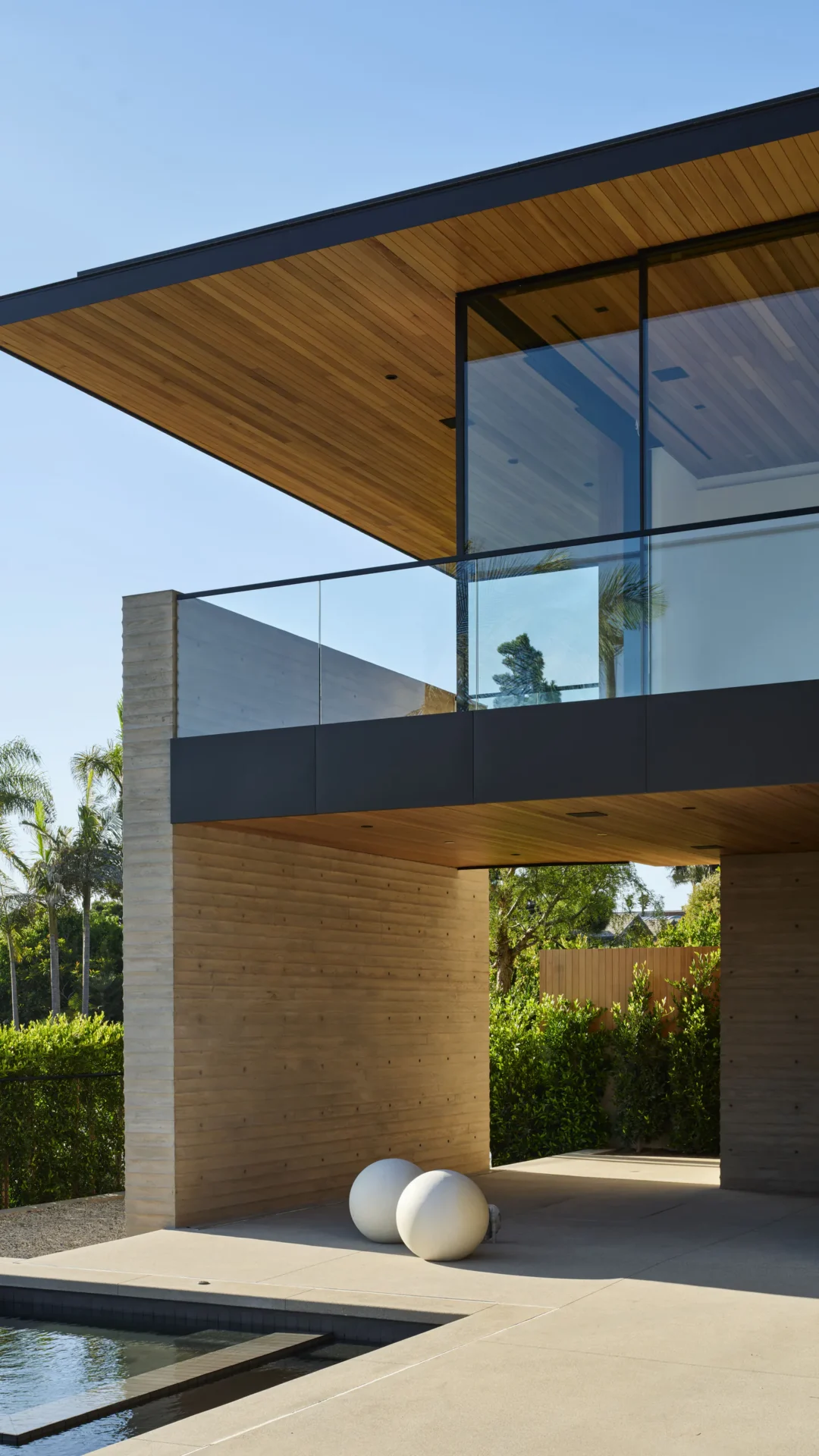
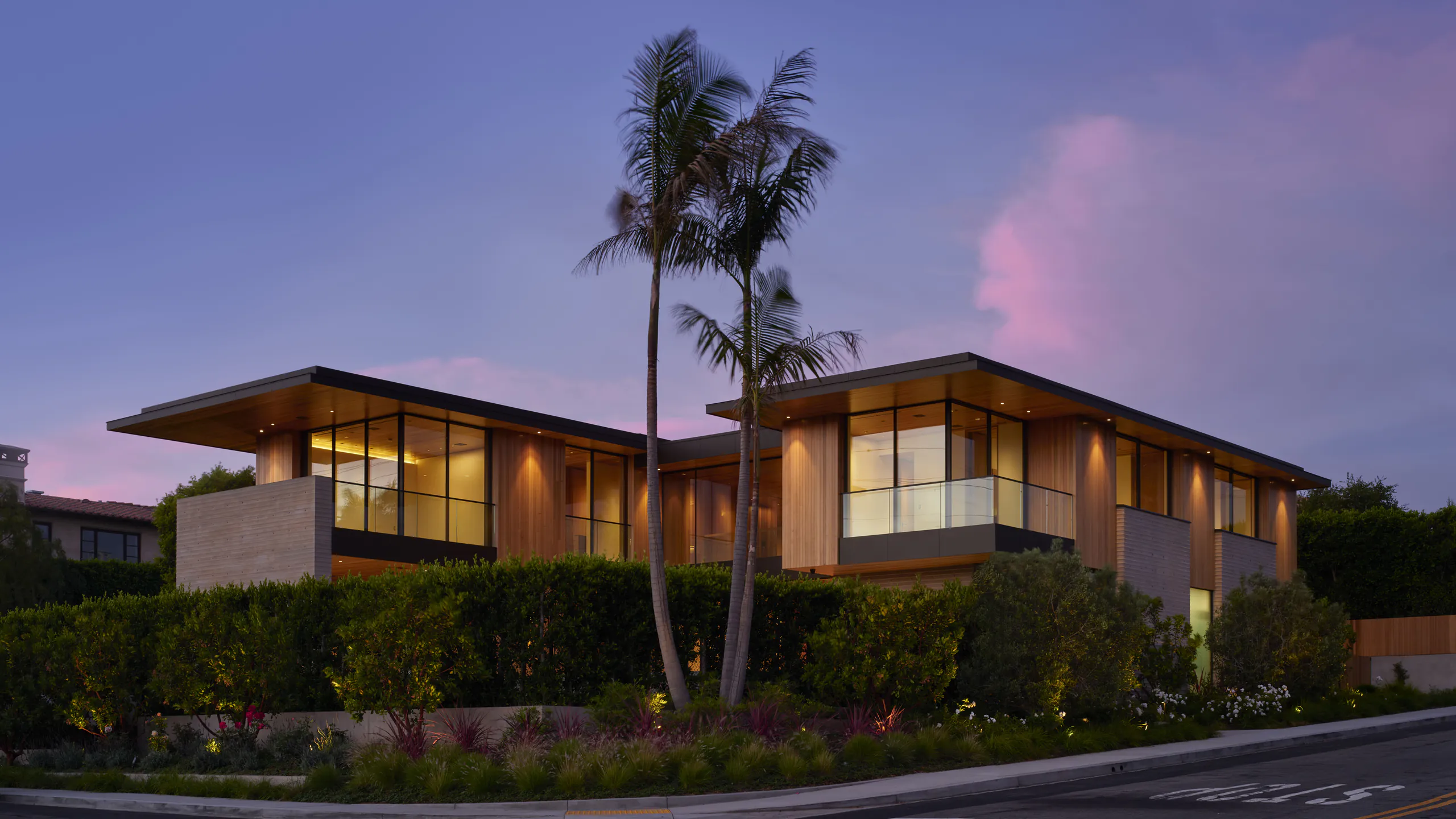
Large windows bring natural light, open views and a stronger connection with the landscape. In coastal architecture, however, they must do much more than look beautiful.
Date:
2026
Author:
Mestre Raposa
Themes
Safety Glass
Properties near the sea are frequently exposed to strong winds, heavy rain, airborne debris and sudden changes in pressure. As extreme weather events become more frequent and severe, choosing the right windows and doors is becoming an essential part of protecting both buildings and the people inside them.
More Than Ordinary Glass
During a severe storm, standard glass can become one of the most vulnerable parts of a building. Strong winds may carry branches, stones and other objects at high speed. If the glass breaks, the opening can allow wind and rain to enter the property. This can cause extensive damage to interiors and place additional pressure on the building envelope. Broken glass can also become a serious safety risk for occupants.
Safety glass is designed to provide a higher level of resistance. Laminated safety glass, for example, consists of multiple glass layers bonded by a strong interlayer. If damaged, the fragments remain attached to this layer instead of scattering. Depending on its composition and certification, the glass can also continue to act as a protective barrier after the initial impact. This residual protection can make an important difference during an extreme weather event.
The Entire Window Must Work as One System
One of the central insights shared by safety glass experts is that strong glass alone is not enough. A window is only as reliable as the complete system around it. The glass, frame, hardware, seals, drainage, fixings and connection to the building must all be designed to work together. If one component fails, the performance of the entire window may be compromised.
Simply placing stronger glass into a standard frame does not automatically create a storm-resistant solution. The frame must support the thickness and weight of the glass, the glazing must remain securely fixed under pressure and the complete unit must be properly anchored to the structure.
Professional installation is therefore just as important as product selection.
Every Coastal Project Faces Different Risks
Through the numerous projects we have completed near the sea, Mestre Raposa has developed extensive experience in designing and installing large-scale glazing for demanding coastal environments. This experience allows us to understand the specific challenges of each location and to support architects and clients in selecting solutions that balance structural performance, safety, comfort and design.
There is no single glazing solution for every building. The correct specification depends on factors such as the project’s location and exposure, expected wind loads and impact risks, the size and position of each opening, the height and orientation of the building, local regulations and required performance levels and the structural capacity of the surrounding construction.
A sheltered residence and an exposed oceanfront villa do not face the same conditions. For this reason, risks should be assessed early in the design process. This allows architects, engineers and window specialists to develop a solution that responds to the actual demands of the project.
It is also important to distinguish between different types of safety glass. A product designed to reduce the risk of injury after breakage is not necessarily suitable for protection against severe wind pressure or debris impact. The glass and complete window system must be selected and tested for the intended purpose.
Protection Without Compromising Architecture
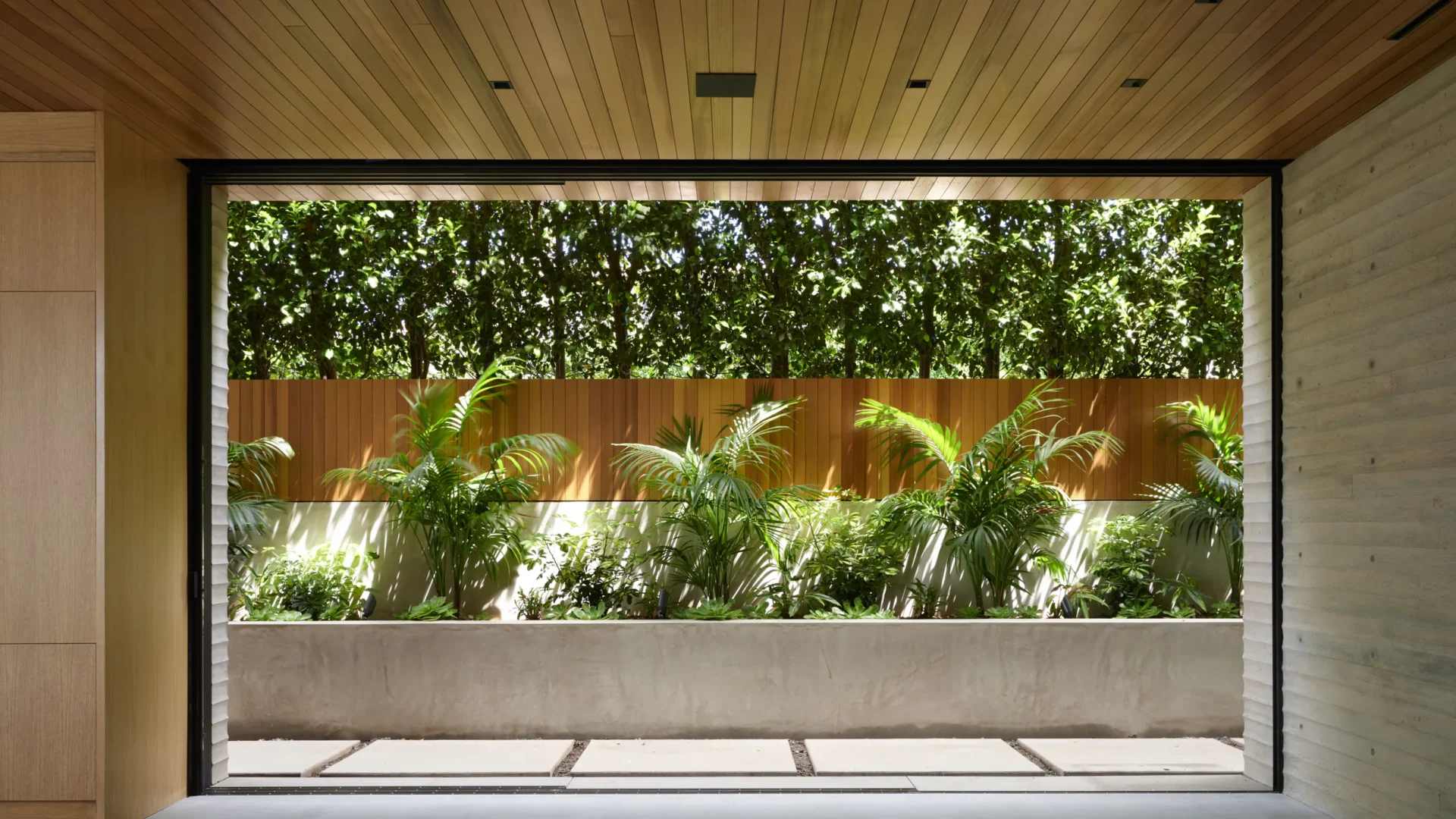
Greater protection does not have to mean heavy or unattractive windows. Modern glazing technology makes it possible to combine safety with slim profiles, large openings and clear views. When protection is considered from the beginning, it can become an almost invisible part of the architecture. This is especially valuable in coastal properties, where panoramic glazing is often central to the design. The objective is not to create a visual barrier between the interior and the landscape, but to make that connection safer and more resilient.
With large glazed areas, protection must also include effective solar control. Alongside choosing the right solar-control glass, a well-designed shading concept helps reduce excessive heat and glare, creating more comfortable interiors and improving the building’s overall energy performance. In coastal regions, where sunlight can be particularly intense, these solutions should be considered from the earliest stages of the project. Mestre Raposa offers solutions such as ZIP screens and timber sliding shutters, each combining solar protection with architectural design. ZIP screens provide discreet and flexible control of sunlight while preserving open views, while timber sliding shutters introduce natural warmth, privacy and character to the
façade. Carefully integrated into the architecture, both solutions help maintain indoor comfort without compromising the visual identity of the project.
At Mestre Raposa, we understand that windows and doors in exposed locations are more than architectural features. They are part of the building’s protective envelope. Through careful planning, appropriate glazing, high-performance systems and precise installation, we develop solutions that bring together design, comfort and long-term protection allowing coastal architecture to remain open to the view while being prepared for the forces of nature.
FAQ
What are the best windows for coastal homes exposed to extreme weather?
The best windows for coastal homes are complete high-performance systems designed for the specific wind loads, weather exposure and impact risks of the property. Depending on the location and project requirements, this may include laminated safety glass, reinforced frames, appropriate hardware and seals, secure glazing retention and structural fixings. For exposed oceanfront properties, the glass and window system should be specified together and tested for the required performance level rather than relying on stronger glass alone.
Is laminated safety glass suitable for coastal properties and storm protection?
Laminated safety glass can significantly improve protection in coastal properties because its bonded interlayer helps hold glass fragments together if the pane is damaged. Depending on the glass composition, certification and complete window system, it can also help maintain a protective barrier after impact. However, laminated glass alone does not make a window storm-resistant. The frame, glazing, hardware, seals, fixings and installation must all be engineered to withstand the expected wind pressure and impact conditions.
Can large panoramic windows be designed for exposed coastal locations?
Yes. Large panoramic windows can be designed for exposed coastal locations while maintaining slim profiles, natural light and uninterrupted views. The correct solution depends on factors including window dimensions, building height and orientation, wind loads, debris-impact risk, structural support and local regulations. Solar-control glass and integrated shading solutions, such as ZIP screens or timber sliding shutters, can also help manage heat and glare while preserving the architectural character of a coastal property.